


Choosing your first hunting dog
Acquiring your first hunting dog is a crucial step for every hunter and dog-loving enthusiast. A four-legged companion not only brings the joy of working together in the hunting grounds, but is, above all, the key to ethical and successful hunting. In this article, we’ll provide a clear overview of the classification of hunting breeds by specialisation, recommend tried-and-tested breeds for beginners in the Czech context, and look at the time and financial commitment required for training until the dog achieves the status of a hunting dog.

THE DOG AS AN INVALUABLE PARTNER
Every hunter brings their knowledge, experience and respect for nature to the hunting ground. Many hunters carry out their work competently and responsibly even without their own dog. However, in many situations, the presence of a trained hunting dog takes the effectiveness of the hunt to a higher level. The dog acts as a reliable partner, whose senses can significantly ease the work in difficult terrain.
The main benefit of a hunting dog is that it makes the search for game easier and quicker. When game is shot, it may be wounded, and deploying a dog significantly reduces the time taken to track it down. A swift response saves time, helps prevent unnecessary suffering of the wounded animal and reduces the risk of the game spoiling. The use of a dog during the search thus provides practical assistance that significantly facilitates the performance of a range of tasks in hunting practice.
WHAT THE LAW ON HUNTING DOGS STIPULATES
The keeping and use of hunting dogs in the Czech Republic is governed by a precisely defined legal framework. Act No. 449/2001 Coll., on Hunting, imposes an obligation on the user of a hunting ground to keep, or contractually ensure the provision of, a specified number of hunting dogs. Without fulfilling these conditions, it is not possible to organise joint hunts on the hunting ground or to properly fulfil the statutory obligations associated with game management.
The term ‘dog suitable for hunting’ refers to a purebred dog with a pedigree certificate that has successfully passed the relevant performance tests. Details and exact numbers are set out in Implementing Decree No. 244/2002 Coll. The requirements for dogs depend on the nature of the hunting ground, its area and the type of game planned:
- Hunting grounds with small game: These require dogs that have passed tests in tracking down and retrieving small game and in working in water, such as autumn trials or water work trials.
- Hunting grounds for cloven-hoofed game: These require dogs capable of tracking cloven-hoofed game, which demonstrate the ability to work on both marked and unmarked tracks during forest or bloodhound trials.
- Group hunts: For small game drives or drives for wild boar and cloven-hoofed game, the law stipulates a minimum number of dogs with the appropriate specialisation, based directly on the number of participants in the hunt and the size of the hunting ground.
Obtaining ‘hunting usability’ status is a fundamental milestone, through which a dog officially gains authorisation to work in Czech hunting grounds.
CLASSIFICATION OF HUNTING DOGS BY SPECIALISATION AND TYPE OF HUNTING GROUND
Throughout history, hunting breeds have evolved in response to specific working tasks and the environments in which they were intended to operate. Before you choose a specific puppy, it is essential to clarify what tasks the dog will most frequently perform in your hunting ground. Depending on their cynological specialisation, hunting dogs are divided into several basic groups.
POINTERS (FCI GROUP VII)
Pointers form a separate group in cynological classification and are versatile dogs intended primarily for field and mixed hunting grounds. They are divided into continental pointers – which include, for example, the German Shorthaired Pointer, the Weimar Pointer and the Czech Fousek – and British pointers, represented by pointers and setters. British pointing dogs excel at fast, wide-ranging searches across large open areas. Continental breeds, on the other hand, are distinguished by their exceptional versatility, as in addition to working in the field, they can also handle demanding tasks in the woods and in water.
A common feature of all pointing dogs is the ‘point’, where the dog, having picked up the scent of game, comes to a firm halt and signals its presence to the hunter through its body posture. Pointing dogs work with what is known as a ‘high nose’, meaning they detect the scent carried by the wind directly in the air with their heads held high. This method of working enables them to search vast fields at high speed over long distances without needing to follow individual tracks on the ground. Furthermore, continental pointing dogs reliably retrieve small game and, with appropriate training, are also capable of tracking hoofed game.
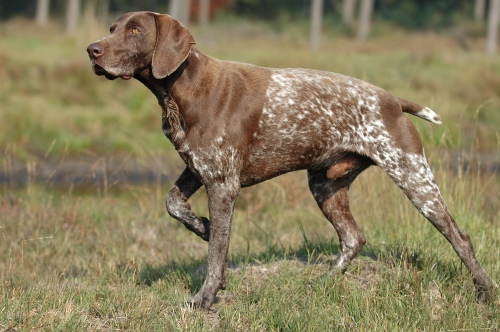
German Shorthaired Pointer
TRACKERS, RETRIEVERS AND WATER DOGS (FCI GROUP VIII)
This group comprises dogs specialising in tracking, retrieving and working in dense cover or in aquatic environments. According to the official cynological classification, it is divided into three separate sections.
Retrievers are masters at tracking down and retrieving hunted game, particularly waterfowl and small game. They excel at remembering the landing spots of several pieces of game simultaneously, a skill known in cynological practice as ‘marking’. They are characterised by a gentle grip on the game without damaging it, a willingness to work even in very cold water, and a high degree of trainability.
Flushing dogs are designed to search through impenetrable thickets, reeds and dense undergrowth over short distances within the shooter’s range. Unlike pointing dogs, they do not point out the game. As soon as they encounter game in the undergrowth, they immediately flush it out of its cover and drive it towards the shooter so that a shot can be taken promptly. When working in difficult terrain, they tend to be persistent and often vocal whilst on the trail.
Water dogs form a specialised group focused on demanding work in deep bodies of water and marshy terrain, where their dense and often curly coat, with its excellent insulating properties, comes into its own.
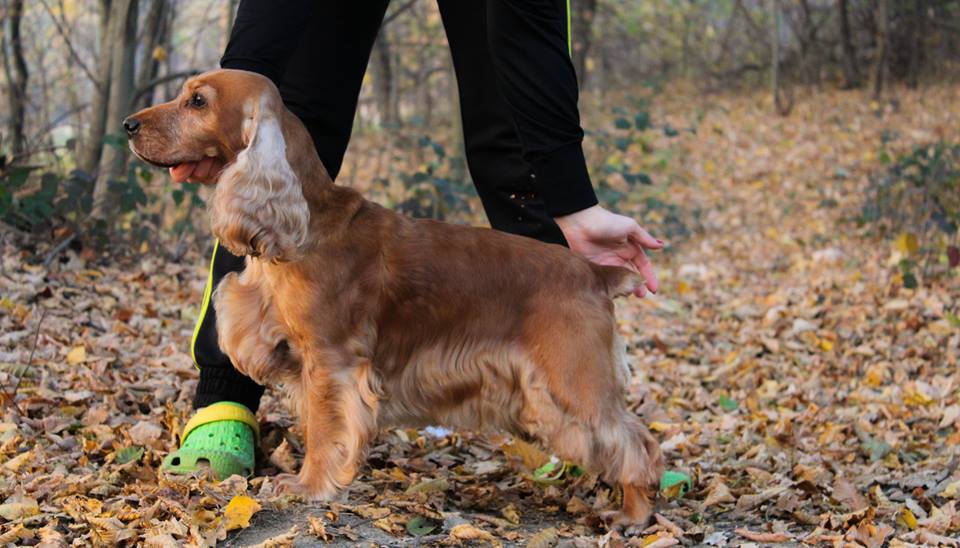
English Cocker Spaniel (scout)
TERRIERS (FCI GROUP III)
Terriers are a group of uncompromising, courageous and exceptionally tenacious dogs. In Czech hunting grounds, the most commonly used breeds are the German Hunting Terrier (Jagdterrier), the Border Terrier, the Wire-haired and Smooth-haired Fox Terriers, and the Welsh Terrier.
The main strengths of terriers are their keen instinct for vermin and game, their physical resilience and their ability to make independent decisions in critical situations. Thanks to their tenacity and smaller stature, they excel at underground work when flushing out foxes and badgers. When working above ground, they are indispensable in impenetrable bramble thickets and dense undergrowth, where they can tirelessly close in on wild boar and drive hoofed game towards the firing line.
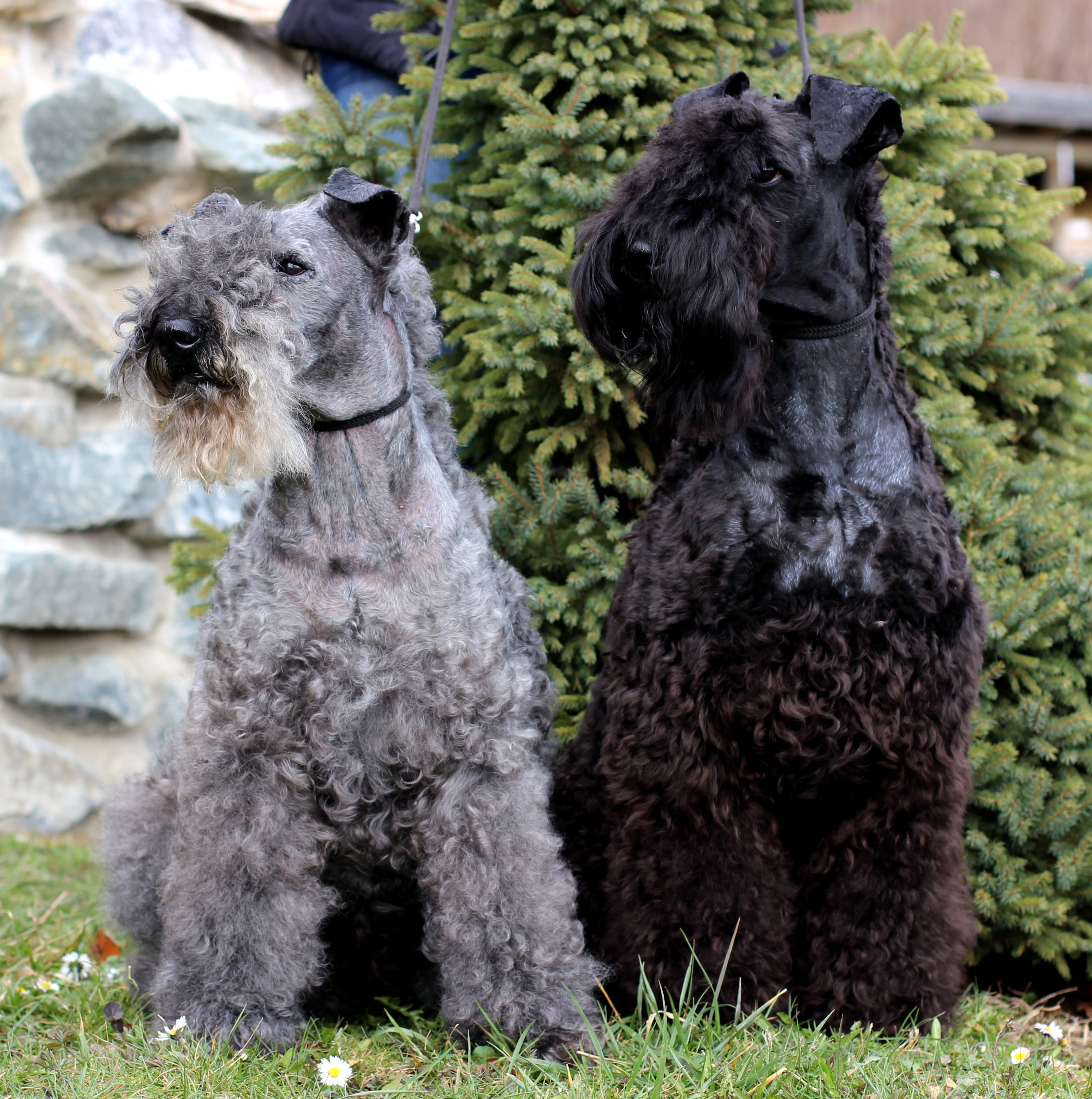
Kerry Blue Terrier
DACHSHUNDS (FCI GROUP IV)
Dachshunds form a unique cynological group comprising a single breed in nine size and coat varieties. In Czech hunting practice, the wire-haired variety predominates, as it provides ideal protection against thorns and adverse weather conditions.
Unlike pointing dogs, dachshunds work with what is known as a ‘low nose’. Holding their heads low to the ground enables them to follow physical tracks on the surface with great precision. Despite their small stature, they serve as versatile working dogs. They are renowned specialists at tracking hoofed game using scent, work reliably in underground burrows and, during group hunts, are able to drive the game at a measured pace with a natural bark, without needlessly flushing the game into neighbouring hunting grounds.
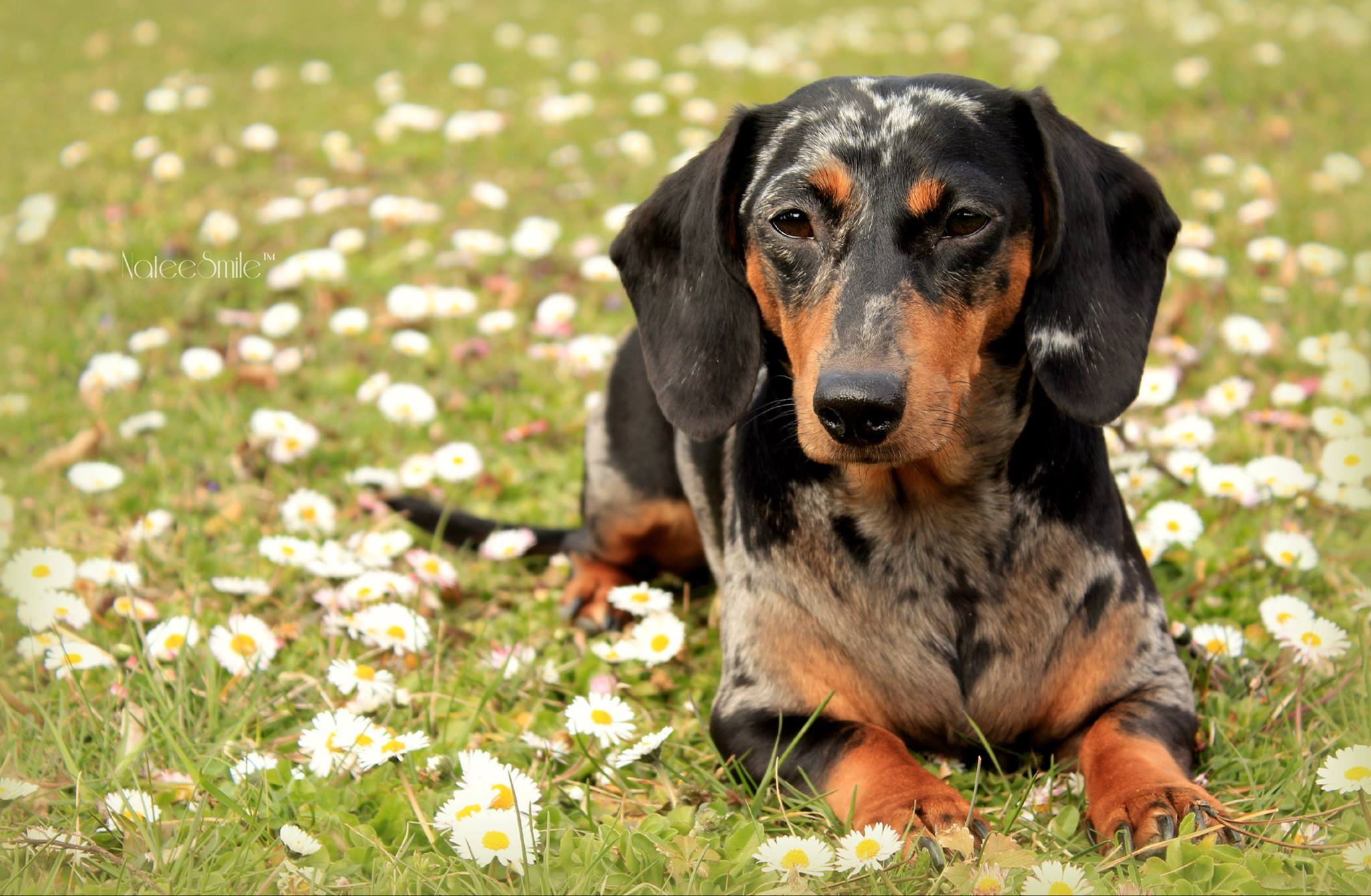
Dwarf brindle dachshund
Scent Hounds and Hounds (FCI Group VI)
This group comprises dogs with an exceptionally keen sense of smell, which work exclusively with their noses close to the ground on surface tracks. In cynological practice, they are divided into two main working sections.
Bloodhounds represent the absolute pinnacle in tracking hoofed game. The best-known representatives are the Bavarian Bloodhound and the Hanoverian Bloodhound. These dogs are bred to work on a cold trail – often one that is many hours old – whether it has been blooded or not. They work at a focused, steady pace. They require a level-headed, experienced handler and regular deployment in the hunting ground, as without sufficient real-life tracking experience their specialisation stagnates.
Hunting hounds are designed to follow fresh tracks over long distances, accompanying the game they are tracking with distinctive and continuous barking. In Czech hunting grounds, for example, the Slovak Kopov and the Alpine Dachshund-type hound have a firm place. They are primarily used in joint hunts and drives for wild boar and red deer in extensive forest and mountain hunting grounds. They excel in physical fitness, courage when facing wild boar, and a keen sense of direction in difficult terrain.
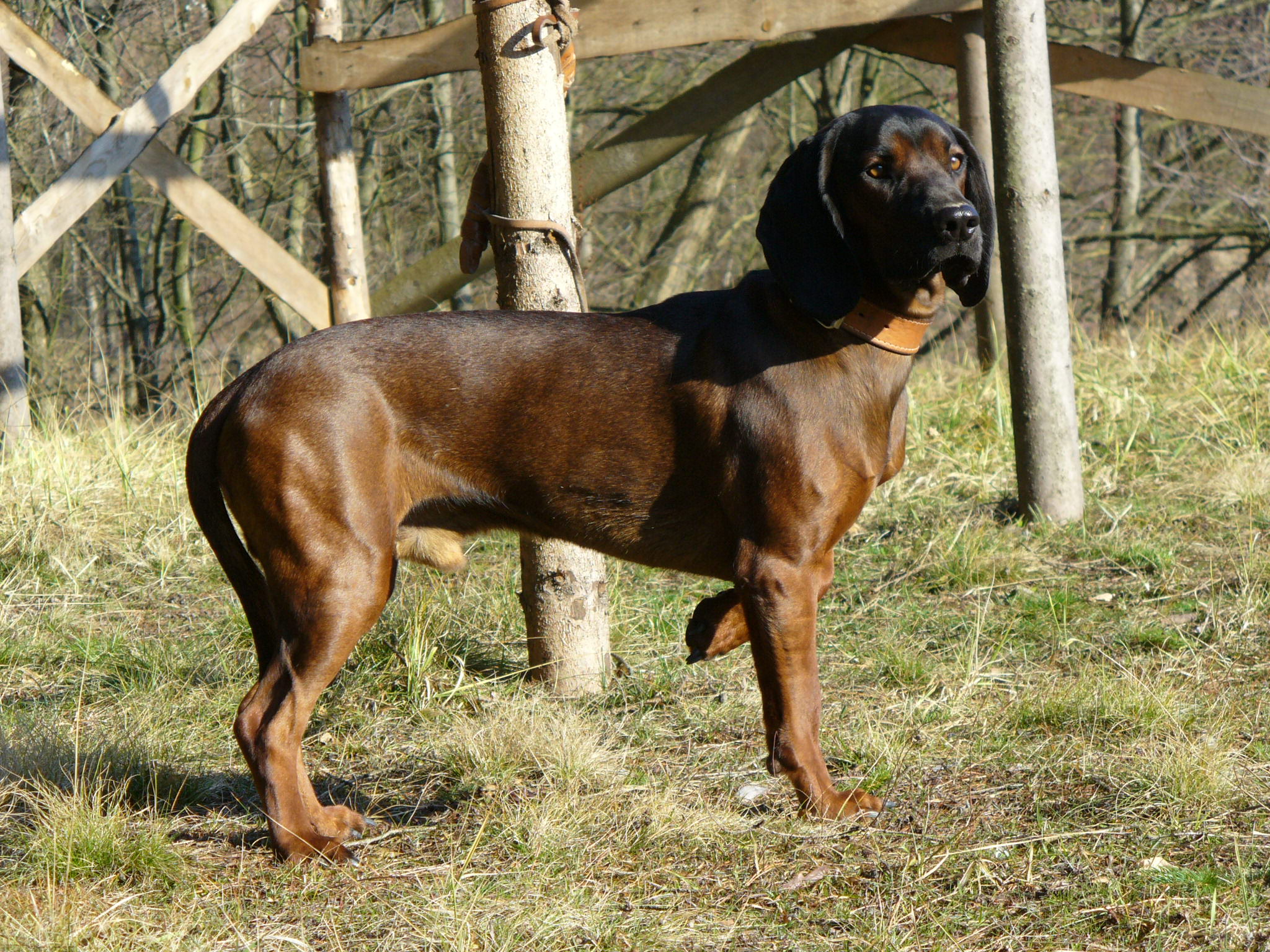
Bavarian Hound
TOP 4 BREEDS FOR BEGINNERS IN THE CZECH REPUBLIC
Choosing your first hunting dog requires a thorough assessment of your existing experience with dogs, the time you have available and, above all, the nature of the hunting ground in which you operate. For a novice handler, breeds with a balanced temperament, a natural willingness to cooperate and good trainability are suitable.
GERMAN SHORT-HAIRED POINTER
The German Shorthaired Pointer is one of the most common pointer breeds in the Czech Republic. It is a tried-and-tested choice for beginners looking for a versatile dog suitable for field, woodland and water work.
- Temperament and trainability: It is characterised by a strong work ethic, high energy levels and a strong bond with its handler. It picks up commands quickly and is able to overlook even minor methodological errors during training.
- Practical use: It excels at steady pointing, reliable retrieving and carrying small game. Once properly trained, it performs well when tracking hoofed game.
- Who it is suitable for: Active hunters in mixed and open-country hunting grounds who can provide the dog with sufficient daily exercise and a workload.
DACHSHUNDS
The Dachshund is the uncrowned king of Czech woodland hunting grounds. The wire-haired Dachshund is one of the most popular breeds amongst hunters due to its high resistance to thorns and cold weather.
- Temperament and trainability: It is tenacious, alert and healthily self-assured. It requires consistent and calm guidance from an early age. Once it has formed a bond with its handler, it learns very willingly.
- Practical use: It acts as a versatile helper in a small package. It specialises in tracking hoofed game by scent, works reliably underground when burrowing, and is also effective at loudly flushing game from cover during group hunts. Thanks to its small size, it is practical to transport.
- Who it is suitable for: For hunters in woodland hunting grounds who are looking for a compact and tenacious worker with an excellent nose.
LABRADOR RETRIEVER
The Labrador Retriever enjoys worldwide popularity. However, when acquiring a dog for hunting, it is essential to select an individual from a working line with a pedigree certificate, in which the hunting instincts are fully preserved.
- Temperament and trainability: It is characterised by a balanced temperament, calmness and a strong desire to please its handler. It does not have a tendency to wander, excels at obedience training and is also well-suited to family life.
- Practical use: Its main strength lies in tracking down and retrieving game from water and impassable terrain. It excels at hunting waterfowl and in group hunts for small game, where it stands out for its calmness whilst on the stand. It also reliably tracks down cloven-hoofed game.
- Who it is suitable for: Beginners who prefer a calmer approach to handling a dog, without the need to manage high levels of aggression, and for hunters in hunting grounds with bodies of water.
SLOVAK KOPOV
If your hunting ground is situated in foothill or woodland terrain with a high population of wild boar, the Slovak Kopov is a traditional and tried-and-tested choice.
- Temperament and trainability: This is a spirited, courageous and relatively independent breed. It requires clearly defined boundaries, natural authority and consistency; therefore, its training must be approached with care.
- Practical use: It excels at persistent tracking, has an excellent sense of direction and shows great courage when flushing game in dense, overgrown woodland. It is ideally suited to tracking wild boar and red deer.
- Who it is suitable for: Hunters specialising in the hunting of cloven-hoofed game and wild boar in extensive woodland hunting grounds, who are able to provide the dog with sufficient regular practice.
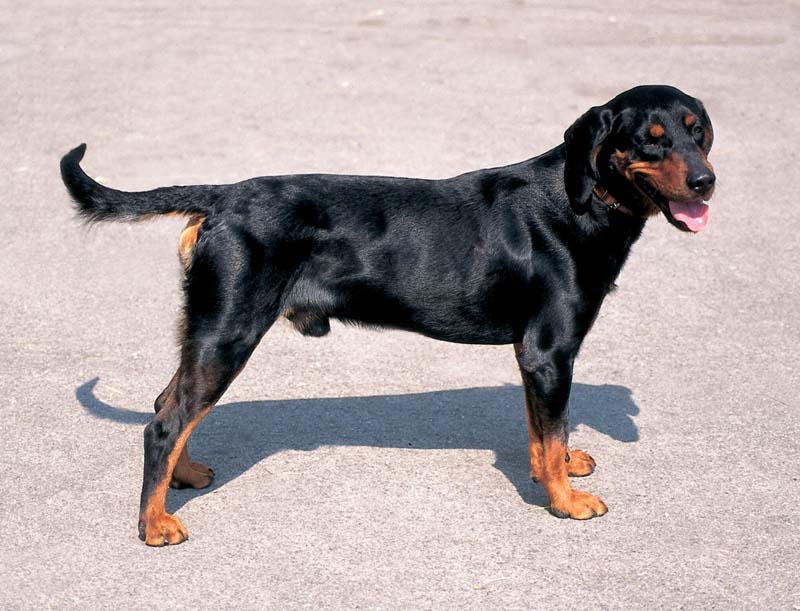
Slovak kopov
THE TIME AND FINANCIAL COMMITMENT OF TRAINING: FROM PUPPY TO HUNTING READINESS
The journey to acquiring a trained hunting dog requires a considerable amount of patience, time and financial resources from the owner. Training involves not only mastering basic commands, but also a comprehensive process of preparation for working in real hunting conditions.
THE PATH TO HUNTING QUALIFICATION AND THE TEST SYSTEM
In order for a dog to obtain official status as a hunting dog (LUP), it must successfully pass a specified type of performance test organised by the Bohemian-Moravian Cynological Association (ČMKJ) and the Bohemian-Moravian Hunting Association (ČMMJ).
- Aptitude Tests (ZV): These serve to verify a young dog’s innate characteristics, such as the quality of its nose, obedience, tracking ability and vocalisation whilst on a scent. ZV tests do not yet guarantee full hunting suitability, but they are an important indicator for further training.
- Autumn Tests (PZ): Basic tests to qualify a dog for flushing and retrieving small game. They include demanding disciplines in the field and in water, including retrieving a duck from deep water.
- Forest Tests (LZ) and Blood-Trail Tests (BZ): Specialised tests focusing on work in a forest environment and on the blood trail of cloven-hoofed game. Here, the dog demonstrates composure at the stand, walking on a lead and the ability to reliably track down game that has gone into cover.
- All-round trials (VZ): These represent the highest achievement in dog training. During these trials, the dog demonstrates all-round readiness for work in the field, in the forest and in the water.
TIME COMMITMENT AND TRAINING PROCESS
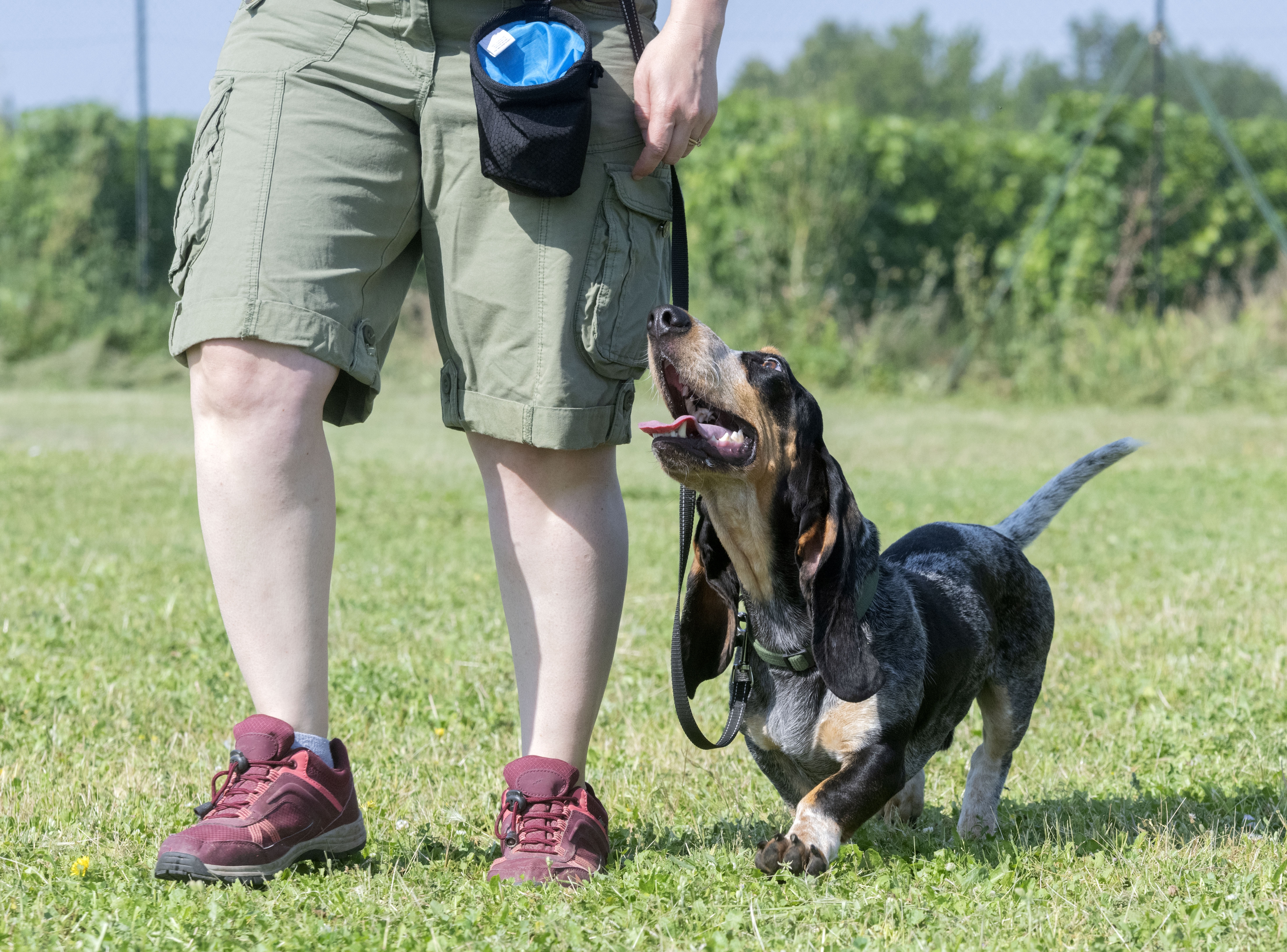
The training of a young dog begins immediately after it is brought home. The first few months are devoted to thorough socialisation, getting the dog used to noise, gunfire and unfamiliar surroundings.
Intensive training focused on specific cynological disciplines usually takes 6 to 12 months of regular work. Training requires short daily obedience sessions and trips out into the field at least two to three times a week. Before examinations, you must allow for participation in training days in the hunting grounds in the presence of more experienced dog handlers.
OVERVIEW OF FINANCIAL COSTS
Purchasing and training a hunting dog represents a long-term financial investment:
- Purchasing a pedigree puppy: The price of a purebred puppy with a pedigree certificate from a working kennel ranges from 15,000 to 30,000 CZK, depending on the breed and the parents’ pedigree.
- Food and veterinary care: High-quality nutrition for a working dog, together with compulsory vaccinations, worming and care for the musculoskeletal system, costs between 15,000 and 25,000 CZK per year.
- Training equipment: A tracking collar with a swivel, a tracking lead, a whistle, training retrieval dummies and, where applicable, frozen training game represent a one-off investment of around 4,000 to 8,000 CZK.
- Examination and organisational fees: Membership of cynological clubs and the ČMMJ, together with entry fees for individual trials, amounts to approximately 1,000 to 2,500 CZK per trial day.
BALANCE THE BREED’S REQUIREMENTS WITH THE HUNTING GROUND AND FAMILY CIRCUMSTANCES
Choosing the right first hunting dog requires a realistic assessment of your own circumstances. A dog with outstanding potential will only perform well if its handler can provide sufficient opportunities for it to utilise its natural abilities.
Before making your final decision, consider the type of hunting you do most often, the predominant game species, and how much time you can devote to training. If you balance the breed’s working requirements with your lifestyle, you will gain a reliable helper for retrieving game and a loyal family companion.

